The village
The village
A settlement frozen in time..
History
History
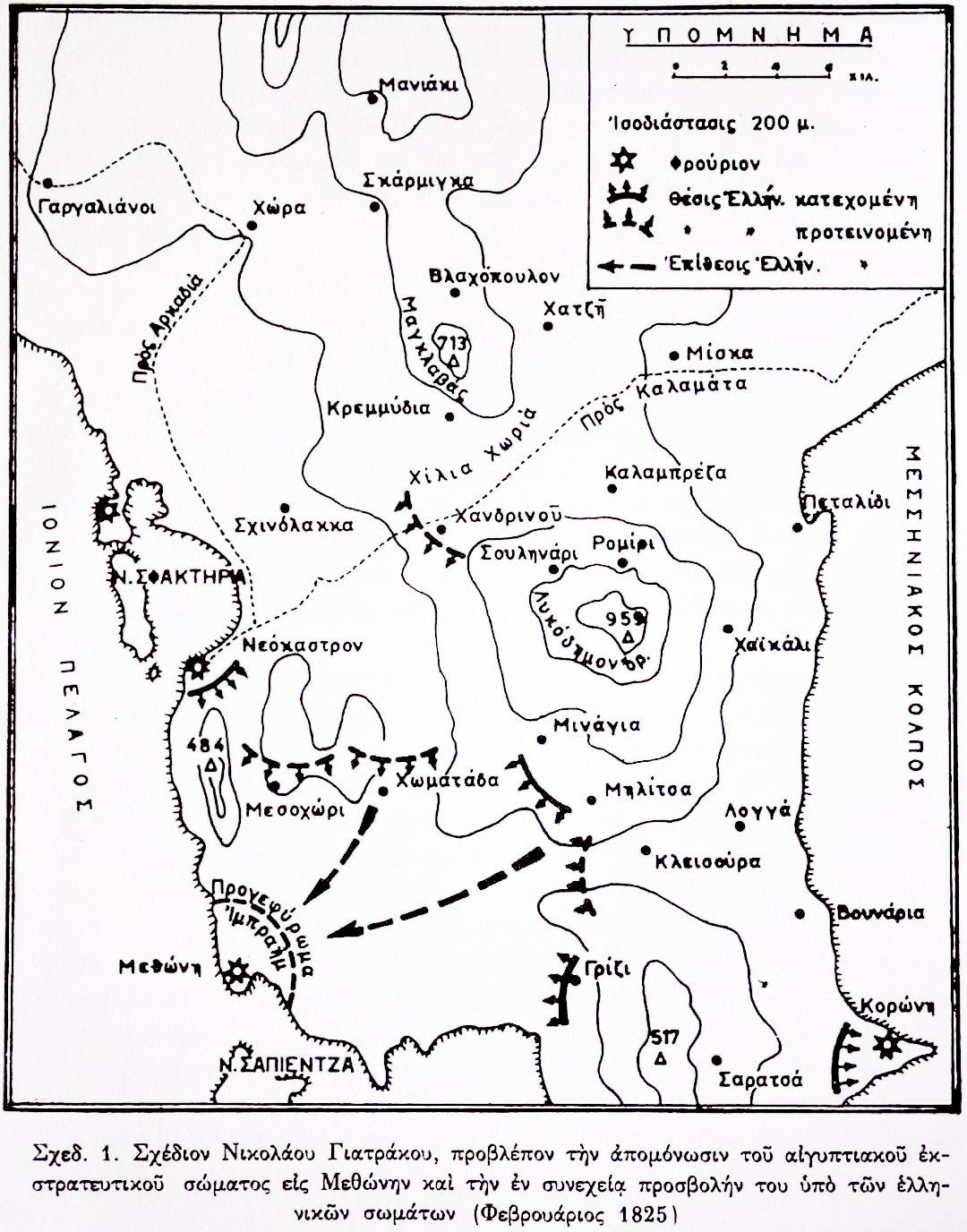
The settlement of Romiri, located in the region of Messinia in the Peloponnese, northeast of Pylos, lies at an altitude of 556 meters and covers an area of 7 square kilometers. Its geomorphological relief is characterized by steep slopes, with 320 hectares of cultivable land and 190 hectares of forested area.
The first inhabitants, mainly shepherds, settled in the area around 1500 AD, during the First Ottoman occupation. In 1650, they relocated to the site of the present-day settlement, taking advantage of a natural spring. At this spring, a well was constructed, and next to it a church was built, dedicated to Saints Anargyroi. The choice of location was based on three factors: the abundance of drinking water, the fertile land suitable for livestock farming, and the geographical isolation that provided protection from external threats.
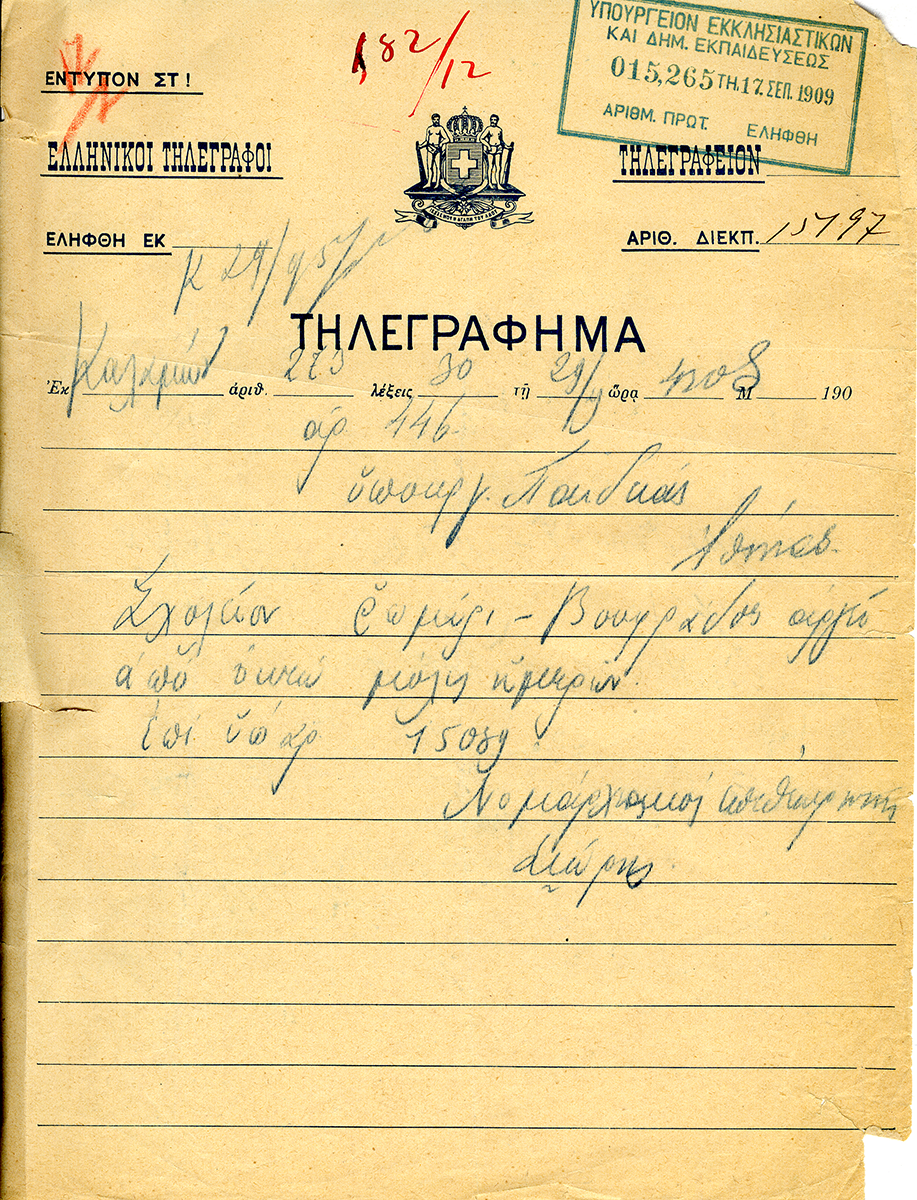
During the 18th century, Romiri’s population grew significantly, reaching 500 inhabitants by 1896. In the 1846 census, the settlement ranked second in size within the Municipality of Voufrados, with its main economic activities being agriculture (cultivation of cereals, vineyards, olive groves) and animal husbandry.
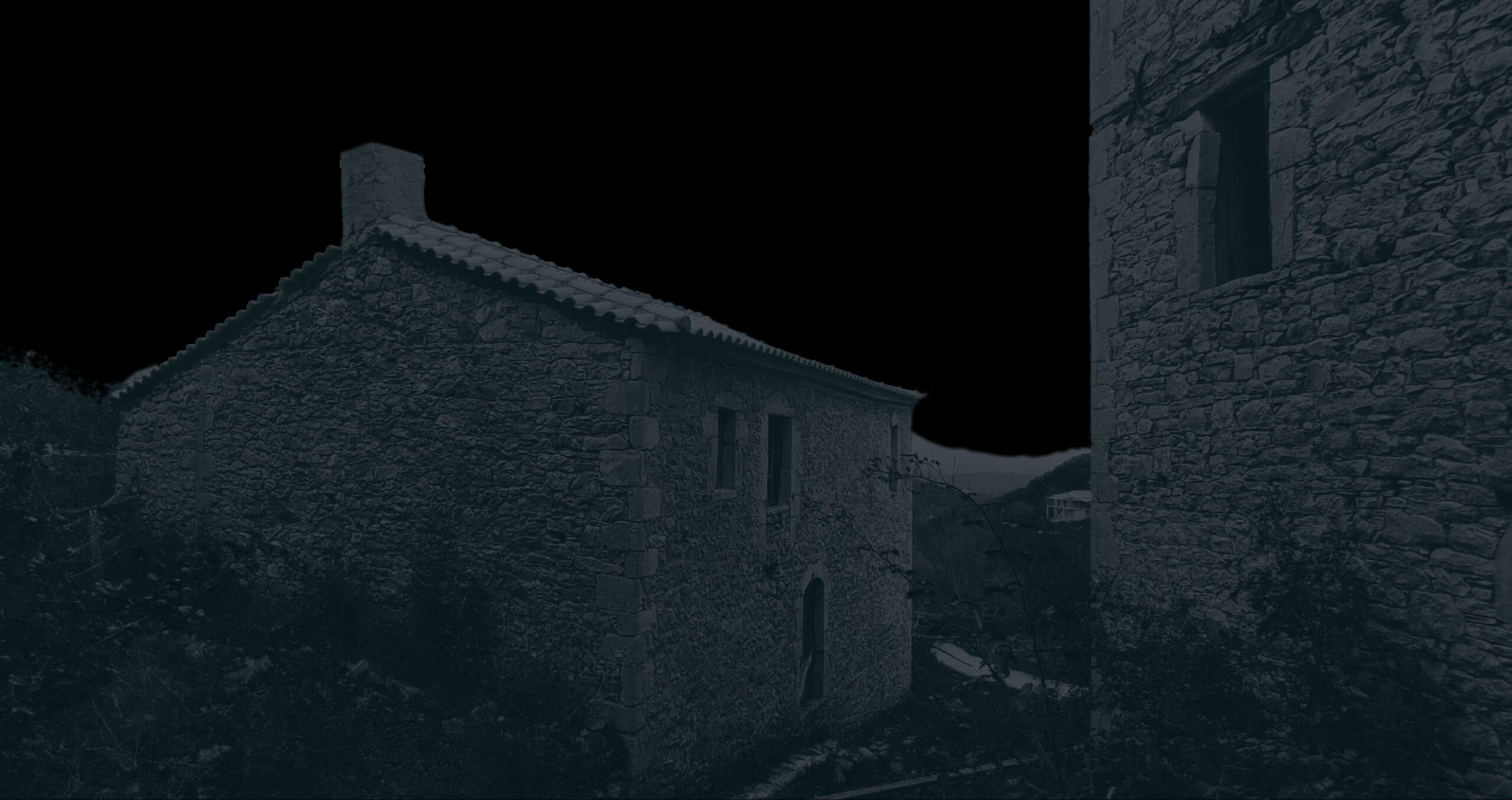
After the establishment of the modern Greek state in 1823, the settlement experienced remarkable economic growth. The need for housing and public buildings led the inhabitants to hire craftsmen from the region of Arcadia to construct private and public structures, such as schools and churches. Most of the village’s buildings date from this period.
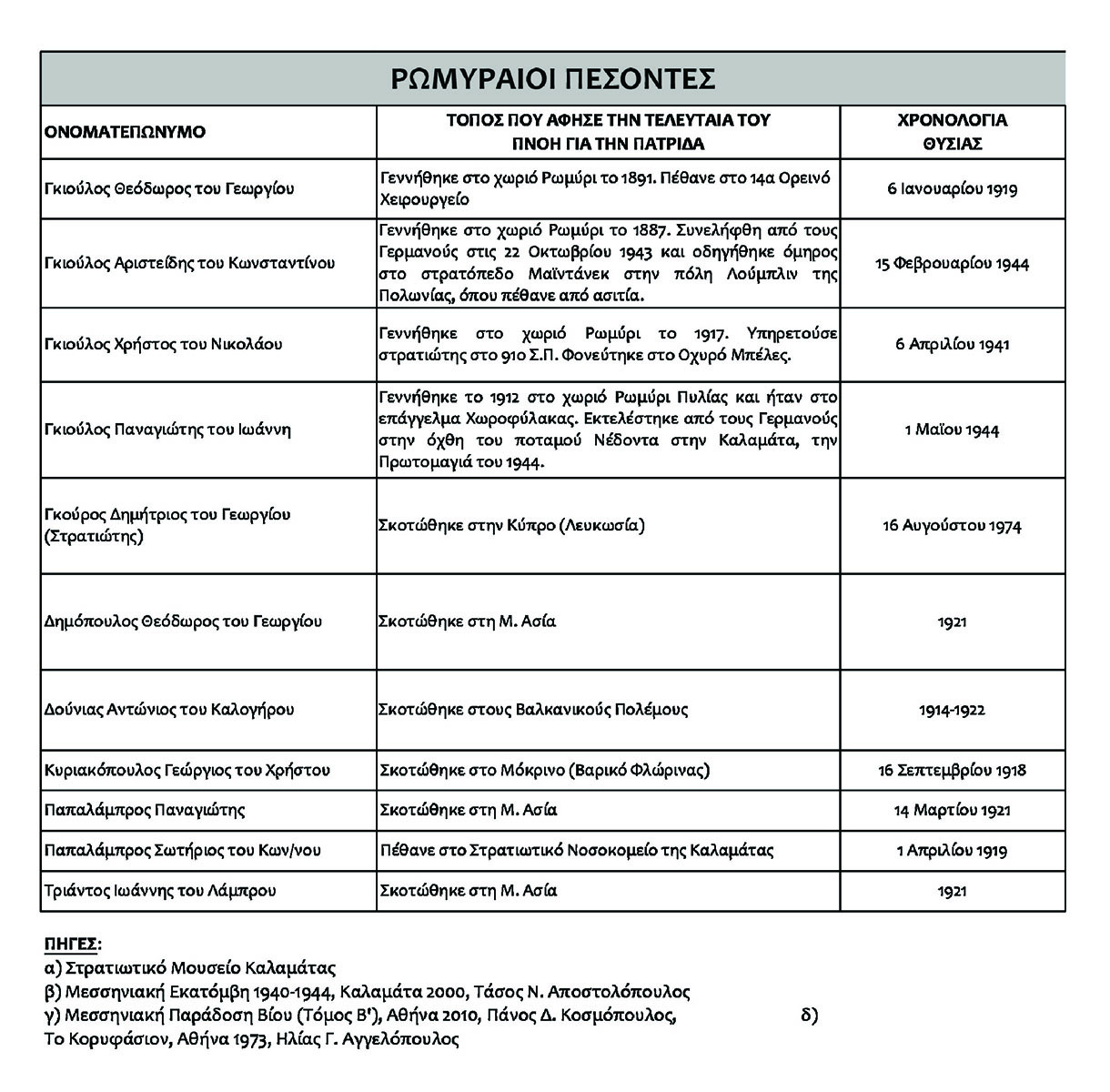
Gradually, however, during the 20th century, Romiri followed the fate of many rural settlements in the Peloponnese, entering a period of decline. The wars of the early century, World War II, and the Civil War caused a significant decrease in population. In the 1960s, the state authorities deemed the electrification and road connection of the settlement economically unviable, and by decision no. Ε15119/3652/67 of the Ministry of Public Works, the remaining 87 inhabitants were relocated to the Community of Mesopotamos. As a result, the settlement was abandoned, and its buildings fell into ruin.
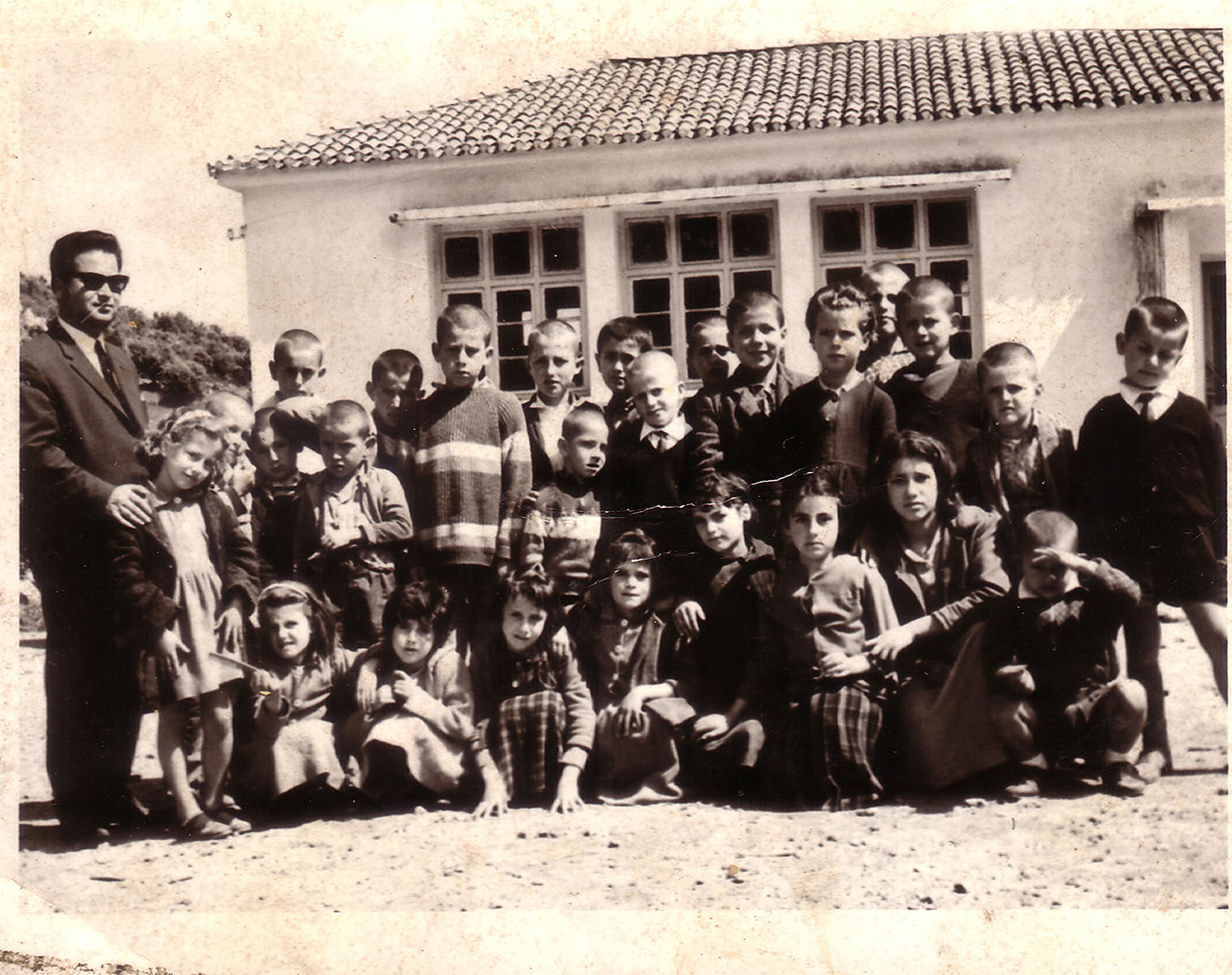
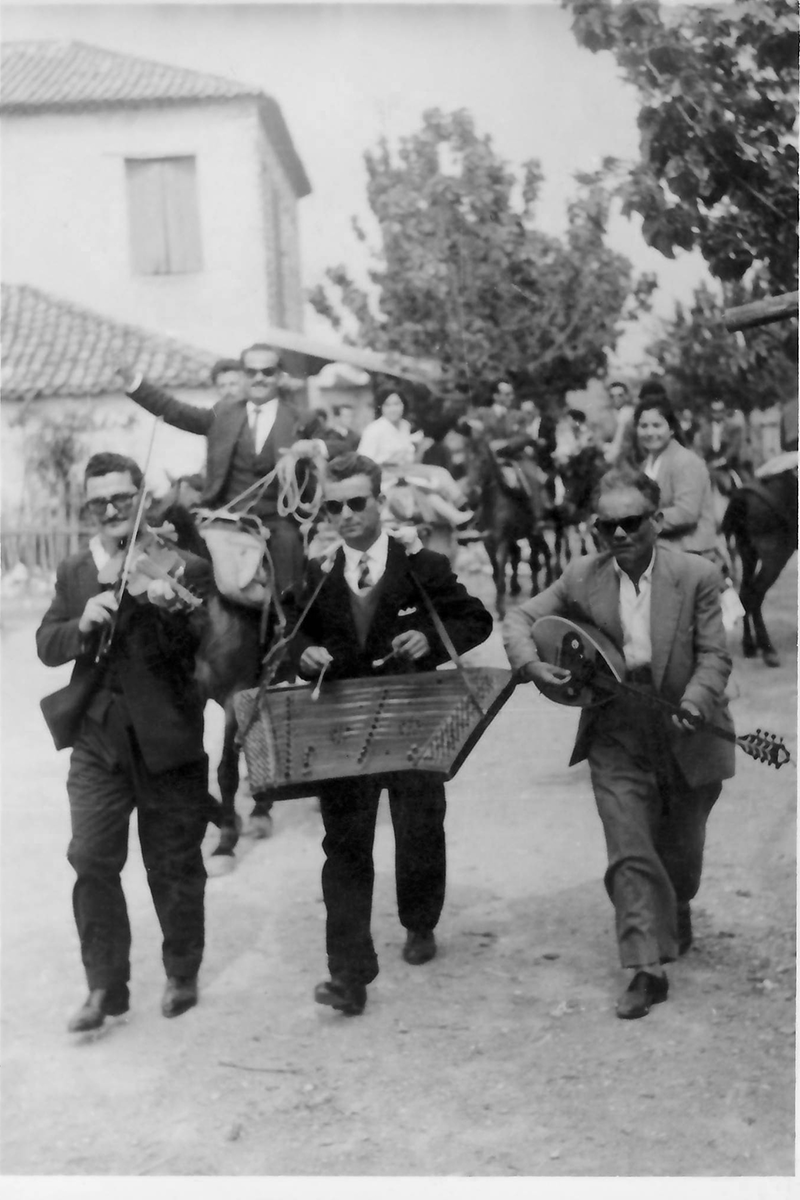
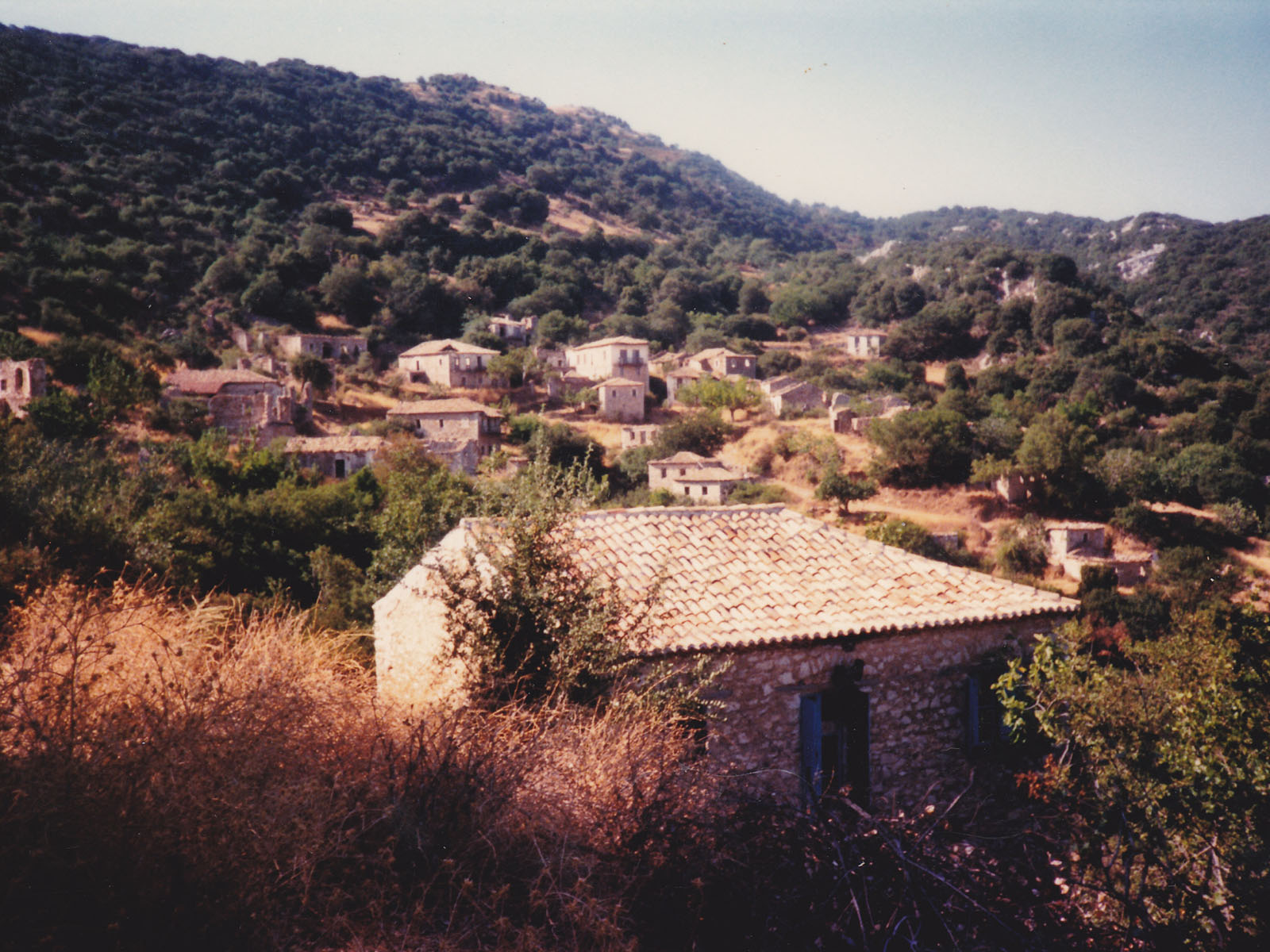
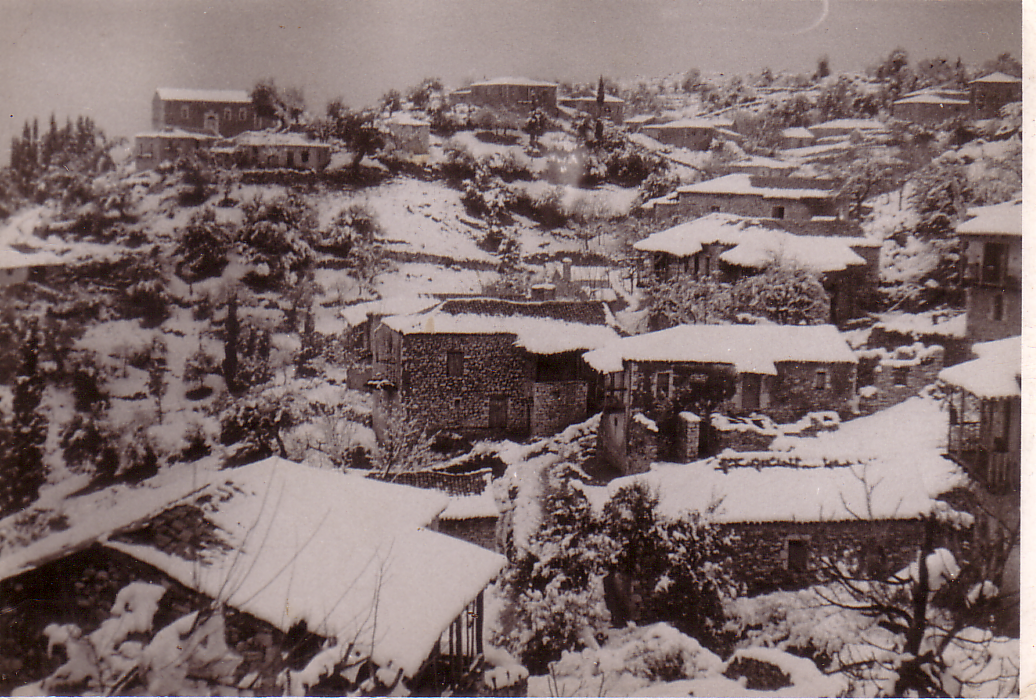
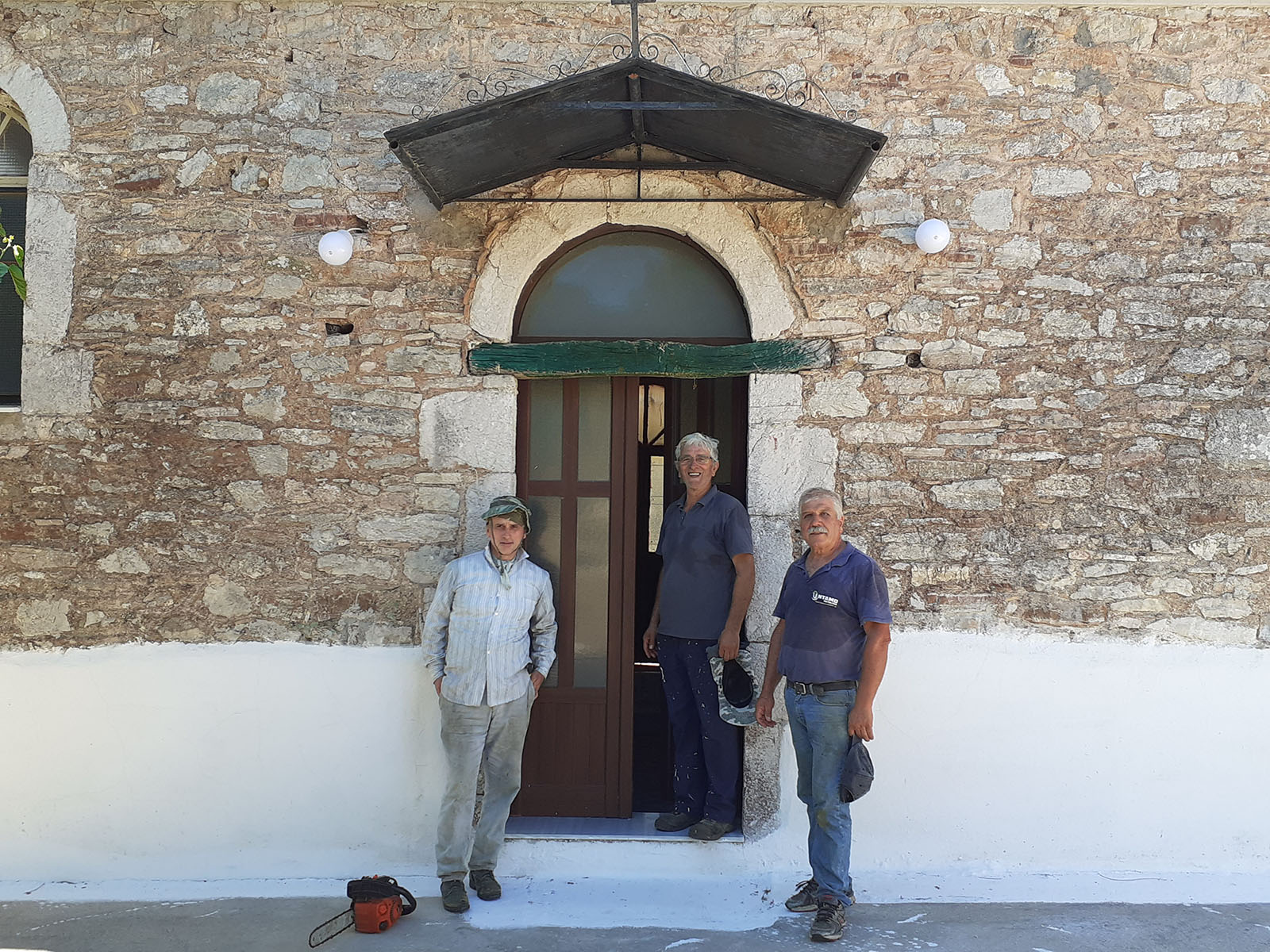
The Association
The Association
Papalabrena
Papalabrena
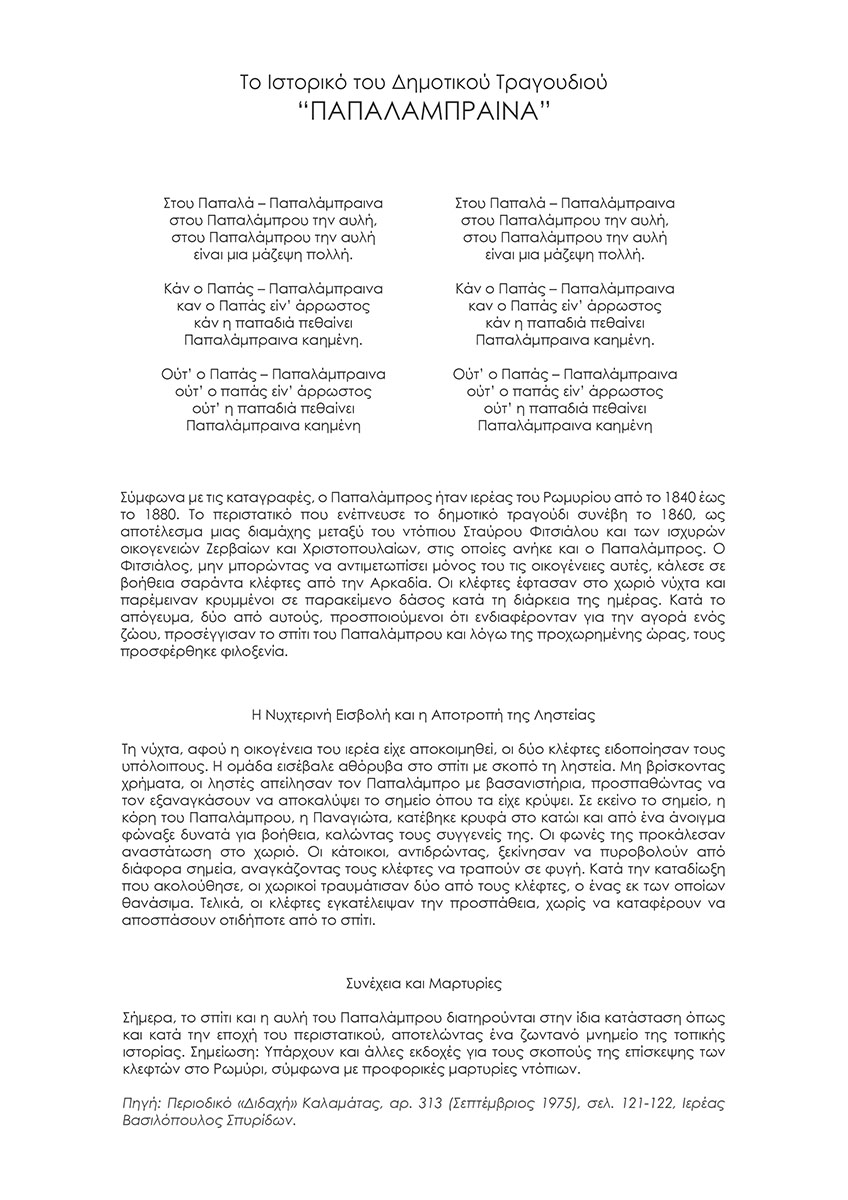
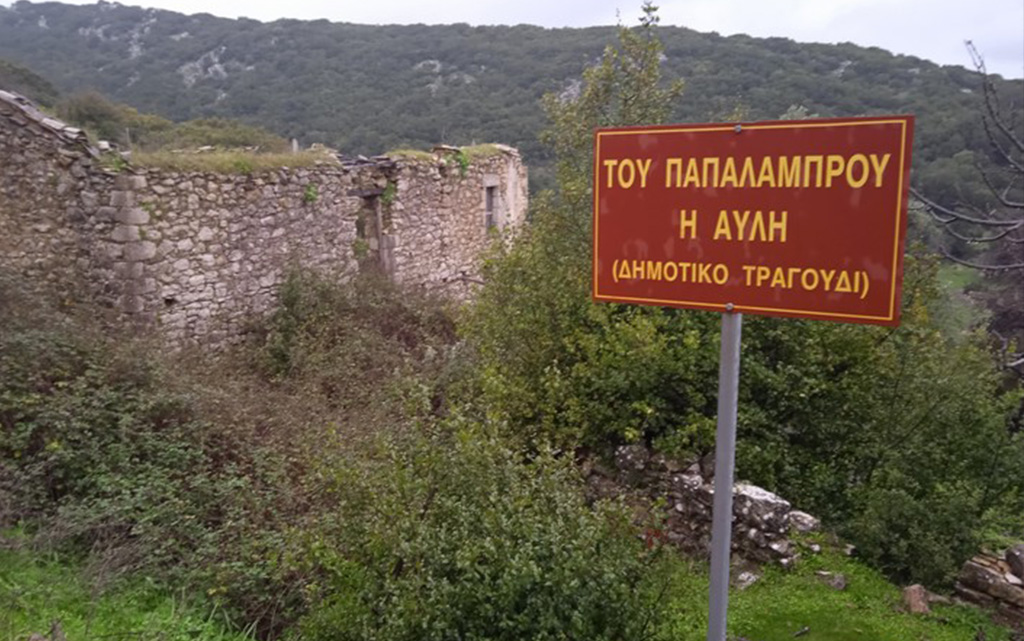
“Papalabrena” is one of the most well-known traditional folk songs of the Peloponnese and is closely connected to the village of Romyri in Messenia. The song is based on a real event believed to have taken place in the mid-19th century and tells the story of Papa-Lampros Zervas, the village priest, and his wife, known as Papalabrena. According to local tradition, a group of bandits entered their home in an attempt to rob them, in an incident that left a deep mark on the collective memory of the community. The courtyard of Papa-Lampros, still located in Romyri today, remains a point of reference for this story, connecting the song to the very landscape and social fabric from which it emerged. Through music and oral tradition, “Papalabrena” was passed down from generation to generation and became one of the most recognizable songs of Messenian folk heritage. Despite its tragic narrative, it continues to be performed and danced today, preserving the memory and cultural identity of the region.
File


Arts